

In offshore oil & gas, petrochemical, LNG, and hazardous industrial environments, safety is one of the most critical considerations when designing modular facilities. Terms like ''blast proof module'' and ''blast resistant module'' are often used interchangeably in the industry, but they do not mean exactly the same thing.
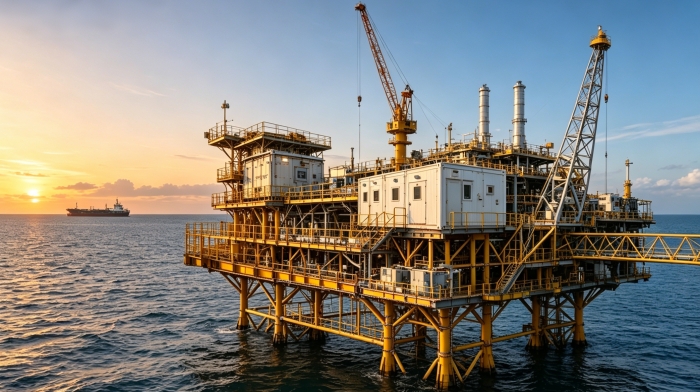
Understanding the difference between these terms is important for EPC contractors, project engineers, offshore operators, and industrial facility owners who need to select the right modular solution for hazardous-area applications.
This article explains the differences between blast proof and blast resistant modules, how these structures are used in industrial projects, and why “blast resistant” is the more technically accurate engineering term.
What Is a Blast Proof Module?
The term “blast proof module” is commonly used in industrial discussions to describe a modular structure designed to protect personnel and equipment during explosion events.
However, from a technical engineering perspective, the term “blast proof” can be misleading.
The word “proof” implies that the structure is completely immune to explosion damage under all conditions. In reality, no building or module can be guaranteed to remain completely unaffected by every possible explosion scenario.
Because of this, most engineering companies and industrial standards prefer the term:
Blast Resistant Module (BRM)
instead of “blast proof module.”
Nevertheless, many buyers and operators still search online using keywords such as:
● Blast proof building
● Blast proof cabin
● Blast proof shelter
● Blast proof module
For SEO and industry communication purposes, both terms are commonly seen in the market.
What Is a Blast Resistant Module (BRM)?
A Blast Resistant Module (BRM) is a specially engineered modular structure designed to withstand specified blast overpressure loads and reduce damage during explosion events.
Rather than being “explosion proof,” BRMs are engineered to:
● Protect personnel
● Reduce structural damage
● Maintain critical operations
● Prevent progressive collapse
● Improve emergency survivability
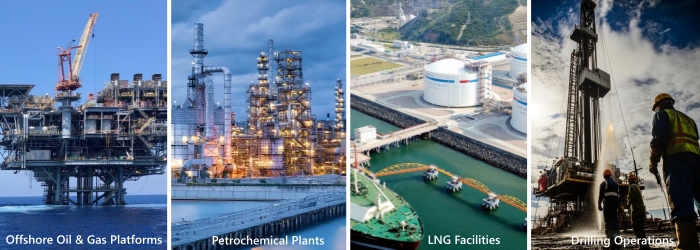
Blast resistant modules are widely used in:
● Offshore oil & gas platforms
● Petrochemical plants
● LNG terminals
● FPSOs
● Refineries
● Drilling rigs
● Hazardous process areas
● Military and defense facilities
At MAGOFFSHORE Official Website, engineered modular systems are designed for demanding offshore and hazardous industrial applications.
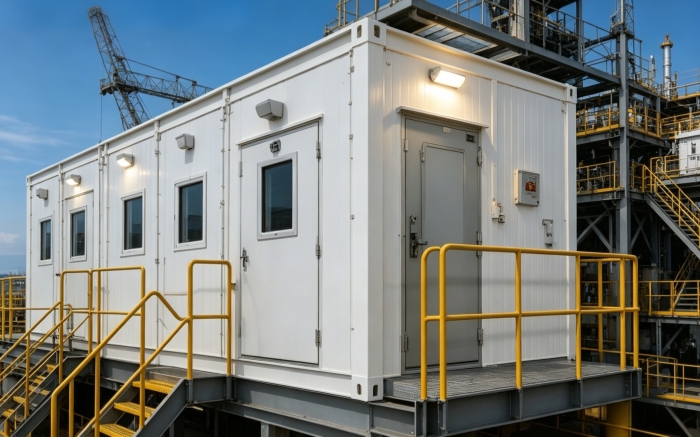
Blast Proof vs Blast Resistant: The Main Difference
The biggest difference is the engineering meaning behind the terminology.
| Term | Meaning | Engineering Accuracy |
| Blast Proof | Suggests complete immunity to explosions | Less technically accurate |
| Blast Resistant | Designed to withstand specific blast loads | Industry-preferred term |
In industrial engineering, structures are typically designed to resist a calculated blast pressure rather than survive unlimited explosion forces.
This is why standards and engineering documents usually use terms such as:
● Blast Resistant Building
● Blast Resistant Module
● Blast Rated Structure
● Explosion Resistant Shelter
instead of “blast proof.”
Why the Term “Blast Resistant” Is Preferred
Industrial safety standards focus on measurable blast performance.
A BRM is engineered according to:
● Expected blast overpressure
● Explosion duration
● Structural response analysis
● Occupancy requirements
● Hazard assessment studies
The goal is to minimize casualties and structural failure during a blast event.
Using the term “blast resistant” more accurately reflects real engineering capabilities and safety performance.
Typical Features of Blast Resistant Modules
Blast resistant modules often include:
● Reinforced steel structures
● Blast-rated walls and roofs
● Shock-resistant doors and windows
● Fire-resistant insulation systems
● HVAC pressurization systems
● Explosion-proof electrical systems
● Gas detection systems
● Emergency escape routes
These systems help improve operational safety in hazardous industrial environments.
Where Are Blast Resistant Modules Used?
BRMs are essential in facilities where explosion risks may exist.
Typical applications include:
Offshore Oil & Gas Platforms
Used for:
● Control rooms
● Accommodation units
● Electrical rooms
● Communication shelters
Petrochemical Plants
Installed in:
● Process control buildings
● Analyzer shelters
● Operator cabins
● Emergency refuge shelters
LNG Facilities
BRMs help protect personnel working near hazardous gas processing systems.
Drilling Operations
Blast resistant cabins are commonly used for:
● MWD cabins
● Mud logging units
● Pressurized cabins
● Offshore service modules
Explore more industrial modular systems at:
● Explosion Proof Electrical Parts
Common Industry Standards for Blast Resistant Modules
Blast resistant modules are often engineered according to international industrial standards and project requirements.
Common standards include:
● DNV 2.7-1
● API RP 752
● API RP 753
● ATEX
● IECEx
● NORSOK
● SOLAS
● ABS standards
These standards help ensure structural integrity, hazardous-area compliance, and personnel safety.
Are Blast Resistant Modules the Same as Explosion Proof Buildings?
Not exactly.
The term “explosion proof” is more commonly used for electrical equipment rather than entire buildings.
For example:
● Explosion proof lighting
● Explosion proof junction boxes
● Explosion proof motors
● Explosion proof electrical panels
When referring to modular structures or buildings, the preferred engineering term is usually:
Blast Resistant
rather than “explosion proof.”
Blast Resistant vs Standard Modular Buildings
Another common comparison is between BRMs and conventional modular buildings.
| Feature | Blast Resistant Module | Standard Modular Building |
| Blast Protection | Yes | No |
| Hazardous Area Use | Yes | Limited |
| Reinforced Structure | Yes | Standard |
| Fire & Gas Systems | Common | Optional |
| Offshore Applications | Common | Limited |
| Certification Requirements | Extensive | Basic |
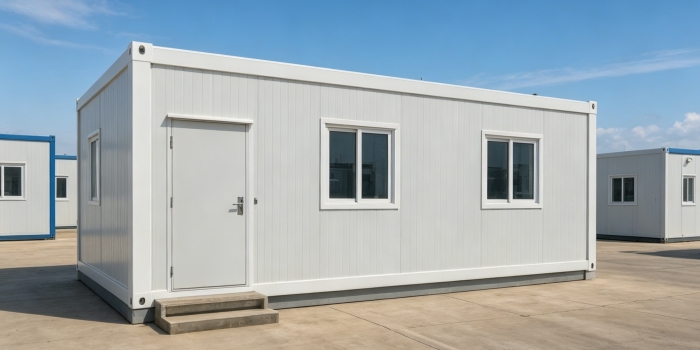
Standard modular buildings are generally intended for safe-area applications where explosion risks are minimal.
How to Choose the Right Modular Solution
Choosing between a blast resistant module and a standard modular building depends on several factors:
Choose a Blast Resistant Module If:
● The project is located in a hazardous area
● Explosion risks are present
● Personnel protection is critical
● Offshore regulations require blast protection
● Hazardous gas exposure may occur
Choose a Standard Modular Building If:
● The site is classified as a safe area
● No explosion hazards exist
● Cost optimization is the primary concern
● The building serves non-critical functions
Why BRMs Are Important for Offshore Safety
In offshore and hazardous industrial environments, blast resistant modules help:
● Improve personnel safety
● Protect critical equipment
● Reduce operational downtime
● Support emergency response
● Improve regulatory compliance
As industrial safety standards continue to evolve globally, BRMs are becoming increasingly important in offshore and energy projects.
Final Recommendation
Although the term “blast proof module” is widely used in the market, “blast resistant module” is the more technically accurate and industry-accepted engineering term.
No structure can be completely immune to every possible explosion scenario. Instead, BRMs are carefully engineered to resist specified blast loads and reduce the impact of explosion events on personnel and operations.
For offshore oil & gas, petrochemical, LNG, and hazardous-area applications, choosing a properly engineered blast resistant module is essential for improving operational safety and regulatory compliance.
Why Choose MAG Industry
At MagOffshore, we specialize in modular engineering solutions for offshore, marine, oil & gas, and hazardous industrial applications.
Our product range includes:
● MWD/LWD Cabins
● Offshore Cargo Carrying Units
● Explosion Proof Electrical Systems
We provide customized modular solutions designed for harsh industrial operating environments worldwide.