


MagOffshore has successfully completed the delivery of two Blast Resistant Modules for a Middle East industrial project. The shipment supports the region's continued demand for safer, faster, and more flexible modular facilities in oil, gas, petrochemical, and hazardous area operations.
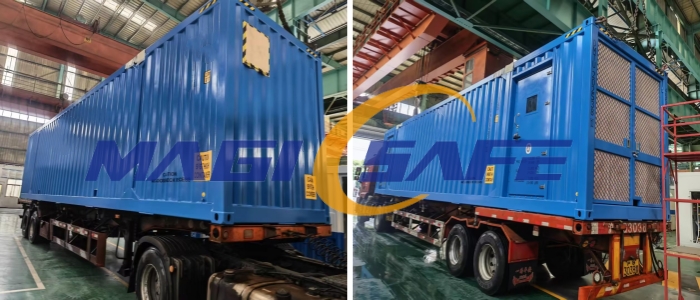
The two units were prepared for overseas transport after production, inspection, and delivery coordination. Designed for demanding site conditions, the modules will provide protected working space for personnel and equipment in areas where blast risk, fire safety, gas monitoring, and environmental protection are important project considerations.
This delivery demonstrates MagOffshore practical capability to support international clients with engineered modular solutions for high-risk industrial environments.
A Project Delivery Focused on Site Safety
In many energy and process industry projects, key personnel need to work close to active operating areas. These areas may include process units, drilling support zones, chemical handling areas, plant control points, or temporary construction facilities.
When the surrounding environment involves potential explosion risk or hazardous gas exposure, a normal office container is not enough. A Blast Resistant Module is built to offer a stronger and more controlled space for people, systems, and daily operations.
For this Middle East delivery, MagOffshore supplied two modules with the purpose of improving site safety and supporting reliable project execution. The modules are suitable for use as protected offices, operator rooms, control support rooms, equipment shelters, emergency coordination rooms, or other project-specific functions.
Why the Middle East Needs Reliable Blast Resistant Modules?
The Middle East is one of the world's most important regions for upstream oil and gas, downstream refining, petrochemical production, LNG, power generation, and marine infrastructure. These projects often operate under strict safety standards and challenging environmental conditions.
High temperature, dust, long-distance logistics, remote project locations, and complex hazardous area requirements all place higher demands on modular buildings.

Blast Resistant Modules are widely valued in such conditions because they help project teams:
- Reduce on-site construction time
- Improve protection for personnel and sensitive equipment
- Create safer working areas near operational facilities
- Support temporary or permanent project requirements
- Integrate electrical, HVAC, fire and gas, and communication systems
- Simplify overseas transport and installation planning
For project owners, this means a faster path from design approval to site readiness.
Key Capabilities of MagOffshore Blast Resistant Modules
MagOffshore provides project-based modular solutions rather than one-size-fits-all units. Each Blast Resistant Module can be adjusted according to the client's site layout, safety requirements, climate conditions, transportation route, and final application.
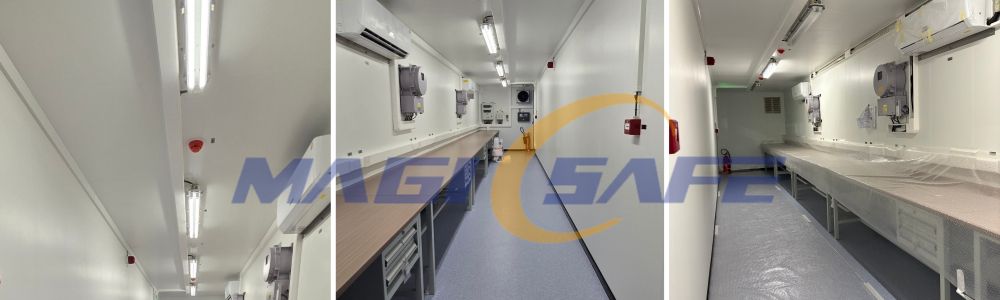
Blast Protection for Industrial Risk Areas
The module structure can be designed according to the required blast resistance level. This helps reduce the impact of blast pressure on the internal working area and supports safer operation in high-risk zones.
Structural strength, door design, wall configuration, frame reinforcement, internal layout, and lifting arrangement can all be reviewed according to the project requirement.
Fire Safety and Protected Construction
Fire performance is an important part of hazardous area modular building design. Depending on the project specification, the module can be designed with fire-rated wall, ceiling, floor, door, and insulation systems.
This makes the unit more suitable for oil and gas plants, chemical facilities, refineries, and other locations where fire safety must be considered from the early design stage.
Gas Detection and Warning Functions
Hazardous area projects often require detection of flammable or toxic gas. MagOffshore can integrate gas detection and alarm systems into the module to support early warning and safer response.
These systems are especially useful for control rooms, analyzer shelters, electrical rooms, and operator cabins located near process areas.
Positive Pressure and Airlock Design
For Zone 1 or Zone 2 hazardous area applications, positive pressurization can help prevent hazardous gas from entering the protected room. A properly designed airlock also supports controlled entry and exit.
This feature helps maintain a safer internal environment and is important when the module houses personnel, electrical equipment, or monitoring systems.
HVAC for Hot and Harsh Climates
Middle East projects often require reliable cooling and ventilation because of high outdoor temperatures. The HVAC system can be selected and arranged according to the module size, occupancy level, equipment heat load, and site environment.
A stable internal climate helps protect both people and installed equipment.
Electrical and Backup Power Integration
Depending on project needs, the module can include lighting, sockets, distribution panels, UPS, generator connection, grounding, emergency lighting, communication interfaces, and other electrical arrangements.
For critical operations, power continuity and electrical safety are just as important as structural protection.
Built for Transport, Installation, and Real Site Use
A successful modular project is not only about production. It also depends on whether the module can be shipped, lifted, installed, connected, and used efficiently at the destination.
For this Middle East shipment, MagOffshore paid attention to export delivery requirements, packing preparation, logistics coordination, and practical site deployment needs.
The modules can be configured as stationary buildings or movable units depending on the project. This flexibility allows clients to use them for long-term plant operation, temporary project support, construction phases, or remote site deployment.
Typical Applications
MagOffshore Blast Resistant Modules can be used in many industrial settings, including:
- Oil and gas production sites
- Refineries and petrochemical plants
- LNG and gas processing facilities
- Offshore platforms and marine terminals
- Drilling and well service projects
- Hazardous area workshops
- Control and monitoring rooms
- Emergency response or safety coordination rooms
- Electrical and analyzer shelters
- Temporary project offices in high-risk areas
The main value is simple: the module creates a safer, controlled, and functional space where the project needs it most.
A Stronger Global Delivery Record
The successful delivery of two Blast Resistant Modules to the Middle East adds to MagOffshore's experience in supporting international offshore and onshore projects.
Clients in energy and industrial sectors often need suppliers who can understand technical requirements, provide practical customization, and coordinate export delivery with confidence. This project reflects MagOffshore's ability to respond to those needs with a complete modular solution.
By combining engineering communication, manufacturing control, safety-focused design, and international shipment support, MagOffshore continues to serve clients who require reliable equipment for harsh and hazardous environments.
What Clients Can Customize
Each project has different requirements. MagOffshore can support customization in several areas:
- Module size and external dimensions
- Internal room layout
- Door and window arrangement
- Blast resistance requirement
- Fire rating requirement
- HVAC system
- Gas detection and alarm system
- Pressurization and airlock design
- Electrical and lighting system
- UPS or generator connection
- Furniture and internal fittings
- Lifting, base frame, and installation configuration
- Mobile or fixed installation design
This approach helps ensure that the final module is not only technically suitable, but also convenient for real site operation.
FAQ About Blast Resistant Modules
What is a Blast Resistant Module?
A Blast Resistant Module is a modular building designed to provide protected working space in industrial areas where blast risk, fire exposure, hazardous gas, or harsh environmental conditions may exist.
What industries use Blast Resistant Modules?
They are commonly used in oil and gas, petrochemical, chemical processing, LNG, offshore, marine, power generation, and other high-risk industrial sectors.
Can the module be customized for a specific project?
Yes. MagOffshore can customize the size, layout, safety systems, HVAC, electrical arrangement, fire protection, gas detection, pressurization, and installation method according to project needs.
Are these modules suitable for Middle East projects?
Yes. Blast Resistant Modules are suitable for Middle East projects because they can be designed for hot climates, hazardous area operation, international shipment, and fast site deployment.
Can a Blast Resistant Module be used as a control room?
Yes. It can be designed as a control room, operator cabin, equipment shelter, office, analyzer room, emergency room, or other protected facility depending on the project requirement.
Conclusion
The delivery of two Blast Resistant Modules to the Middle East is another important project milestone for MagOffshore. It highlights the company's ability to provide practical, customized, and safety-focused modular solutions for international industrial clients.
As oil, gas, petrochemical, and energy projects continue to demand safer and more efficient site facilities, Blast Resistant Modules will remain an important solution for hazardous area operations.
MagOffshore will continue to support global clients with offshore and onshore modular buildings designed for protection, reliability, and real project use.
For Blast Resistant Modules or other customized offshore and onshore modular solutions, contact MagOffshore to discuss your project requirements.
-
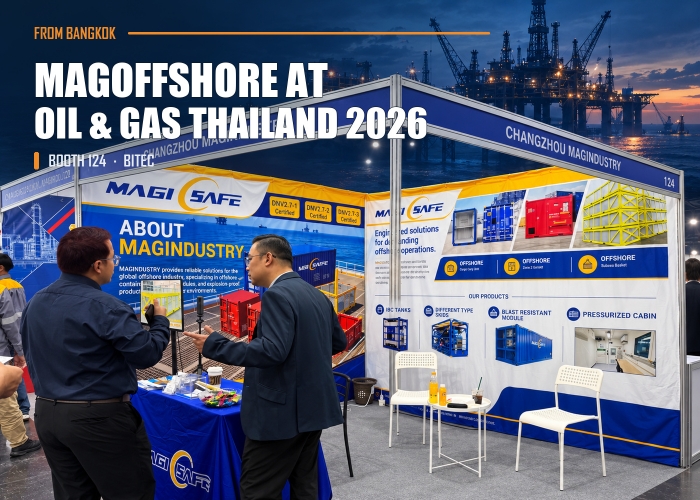 MagOffshore is connecting with energy and offshore professionals at Oil & Gas Thailand 2026 in Bangkok. At Booth 124, the team is presenting offshore cargo carrying units, service modules and engineered solutions while discussing practical project requirements with visitors from across the region.Blog
-
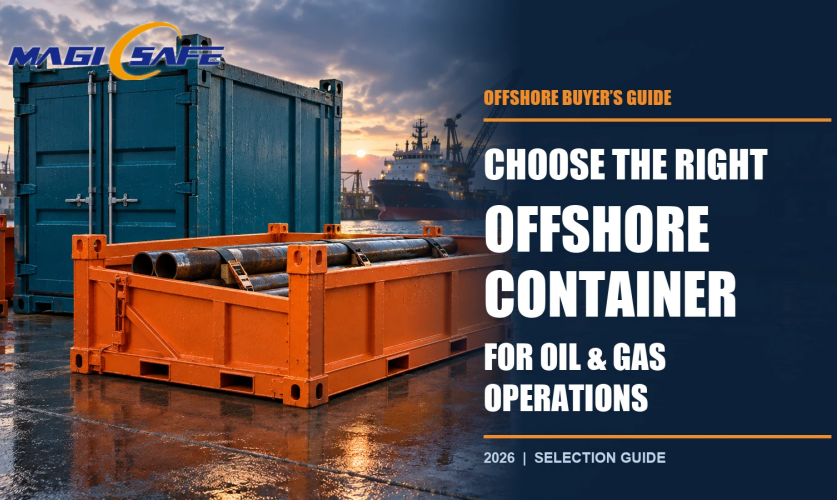 This guide explains how to choose an offshore container based on cargo, loading method, lifting route and certification. It compares common container types and highlights the details buyers should confirm before ordering.News
-
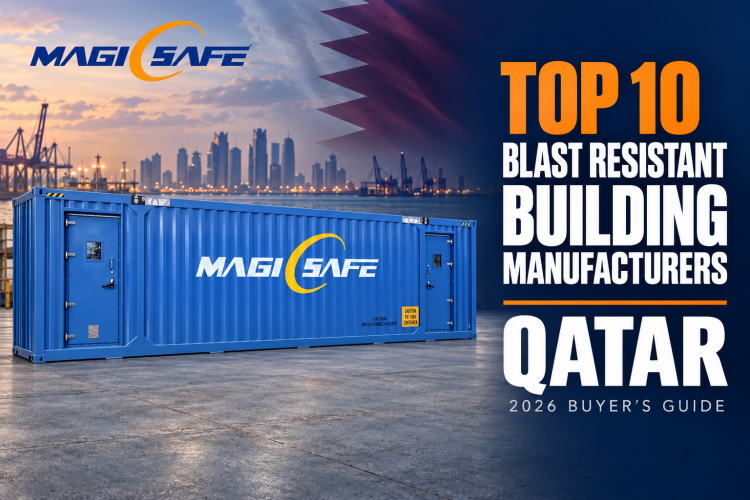 Compare 10 blast resistant building manufacturers for Qatar projects, with guidance on blast ratings, HVAC, standards and buying requirements.News
