


When selecting bulk liquid containers for industrial operations, the material you choose directly impacts safety, longevity, and total cost of ownership.
2×
Longer average service life vs. carbon steel
316L
Most widely specified grade for chemical resistance
100%
Recyclable at end of service life

Intermediate Bulk Containers (IBCs) are the backbone of modern liquid logistics — used across food processing, pharmaceuticals, chemicals, and agriculture. But not all IBCs are created equal. The debate between stainless steel IBCs and traditional carbon steel tanks is one that procurement managers, plant engineers, and supply chain leaders face regularly. This article breaks down the key differences, and explains why stainless steel consistently emerges as the superior long-term investment.
Understanding the core difference
Carbon steel tanks have served industry for over a century. They are strong, inexpensive upfront, and widely available. However, they are highly susceptible to oxidation. Without continuous protective coatings or linings, carbon steel corrodes when exposed to moisture, acids, or aggressive chemical compounds. Stainless steel, by contrast, owes its corrosion resistance to a passive chromium oxide layer that reforms naturally — even when scratched or abraded — protecting the base metal throughout its service life.
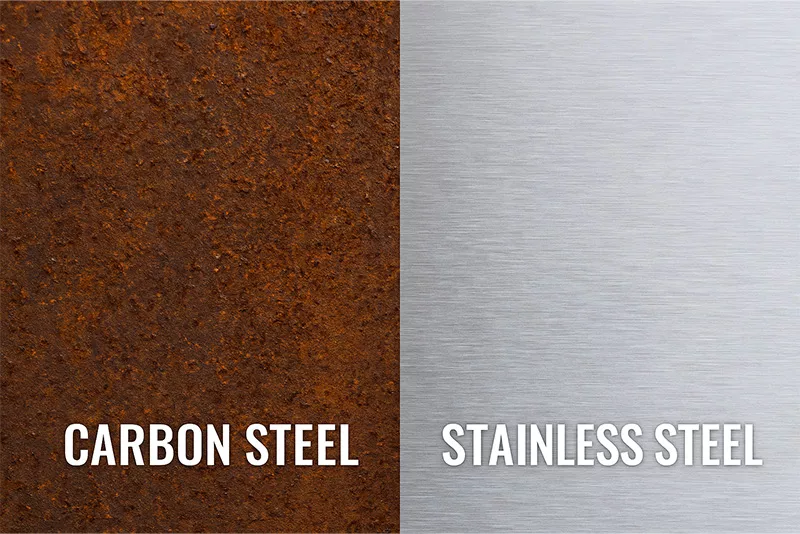
Head-to-head comparison
Why stainless steel wins for regulated industries
In food and beverage, pharmaceutical, and cosmetics manufacturing, regulatory compliance is non-negotiable. Agencies such as the FDA, EHEDG, and the EU Food Contact Materials Regulation require that storage vessels do not chemically interact with their contents. Stainless steel — particularly grades 304 and 316L — meets these requirements without the need for additional liners or coatings, simplifying validation and audit trails considerably.
"A stainless steel IBC that is properly maintained can remain in active service for 20 years or more — two to three times the effective lifespan of a carbon steel tank requiring relined cycles every five to eight years."
Five key advantages of stainless steel IBCs
● Superior corrosion resistance
The passive chromium oxide layer protects against acids, bases, salts, and oxidizing environments, making stainless suitable for the widest range of liquid products.
● Hygienic surface finish
Electropolished or BA-finished interiors eliminate microbial harborage points, making cleaning and sterilization (CIP/SIP) fast, reliable, and fully traceable.
● Exceptional durability and ROI
Although upfront costs are higher, stainless steel tanks eliminate ongoing relining expenses, reduce downtime for inspections, and deliver a significantly lower cost per year of service.
● Broad chemical compatibility
From aggressive solvents and mineral acids to ultrapure water and high-value food ingredients, stainless steel handles an unmatched spectrum of liquid contents without degradation.
● Sustainability credentials
Stainless steel is one of the most recycled materials on the planet. At end of life, tanks retain significant scrap value, and no hazardous coatings require special disposal.
When carbon steel might still apply
Carbon steel is not without its place. For non-corrosive, dry bulk materials stored in controlled environments, or in cost-constrained applications where chemical purity and hygiene are not primary concerns, lined carbon steel remains a viable option. Similarly, for extremely large fixed storage volumes — such as crude oil or grain silos — carbon steel construction may be economically unavoidable. The critical distinction is understanding what trade-offs are being made, and over what time horizon.
Selecting the right stainless grade
Not all stainless steel is identical. For most industrial liquid applications, Grade 316L is recommended due to its enhanced molybdenum content, which significantly improves resistance to chloride-induced pitting — a common failure mode in coastal or marine environments, and in applications involving chlorinated cleaning agents. Grade 304 offers excellent performance for general-purpose food and chemical service at a modestly lower cost. Working with your material supplier and tank manufacturer to match the alloy specification to your specific chemical environment is always the correct first step.
Need help specifying the right IBC for your application?
Our engineering team can assess your chemical environment, volume requirements, and compliance obligations to recommend the optimal stainless steel IBC configuration.
-
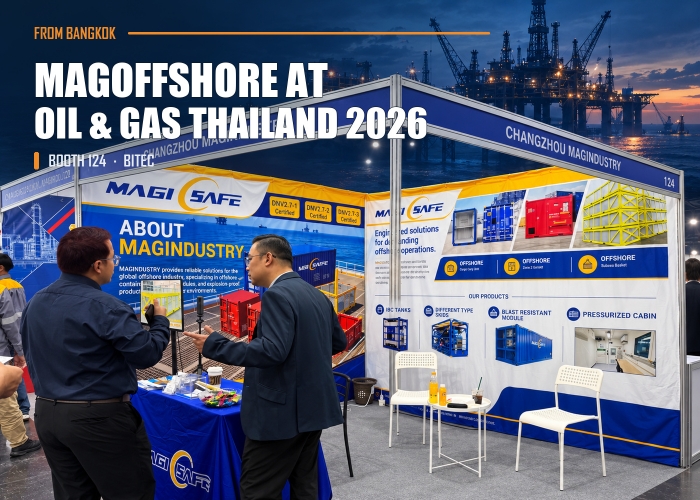 MagOffshore is connecting with energy and offshore professionals at Oil & Gas Thailand 2026 in Bangkok. At Booth 124, the team is presenting offshore cargo carrying units, service modules and engineered solutions while discussing practical project requirements with visitors from across the region.Blog
-
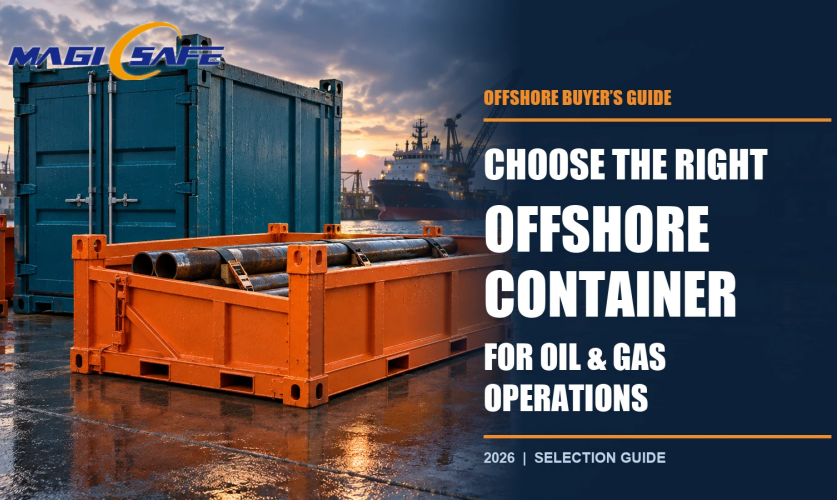 This guide explains how to choose an offshore container based on cargo, loading method, lifting route and certification. It compares common container types and highlights the details buyers should confirm before ordering.News
-
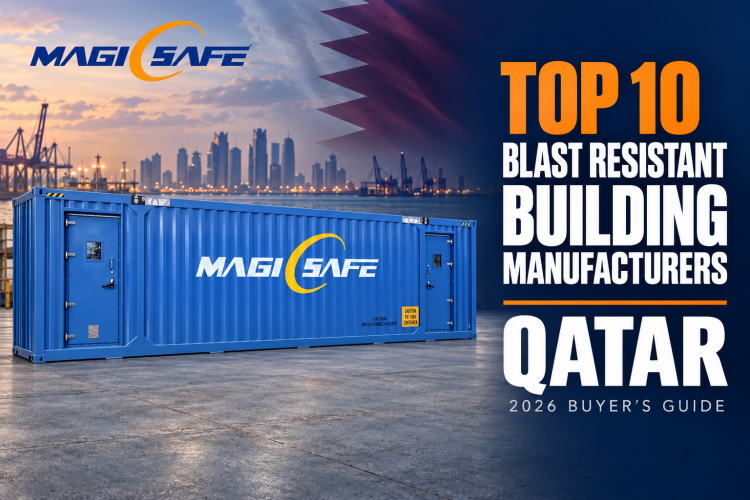 Compare 10 blast resistant building manufacturers for Qatar projects, with guidance on blast ratings, HVAC, standards and buying requirements.News
